

A well-planned fairfax kitchen remodel transforms not only how your kitchen looks but how it functions every day. Smart design choices improve workflow, comfort, and efficiency. Understanding which decisions have the biggest impact helps homeowners avoid costly mistakes and create spaces built for real life.
In every kitchen project, daily usability comes down to layout, storage, lighting, and materials. These core elements affect everything from how easily you prepare meals to how comfortable it feels to gather with family.
Layout Decisions That Shape Daily Workflow
Layout is the backbone of any successful kitchen remodeling project. The right configuration determines how smoothly you move between cooking, cleaning, and storage zones.
Designers often recommend following the classic work triangle rule, which keeps the sink, stove, and refrigerator within easy reach. However, modern kitchens often adapt this concept into work zones for cooking, prep, and cleanup.
- For open floor plans, consider an island with seating and prep space to maintain flow.
- For smaller kitchens, a galley layout can maximize efficiency and minimize steps.
- Larger families benefit from dual work zones to allow multiple cooks to work comfortably.
When planning layout, think about how you use the kitchen each day. Are you a frequent entertainer, batch cook, or quick-meal type? The answer should guide your design choices.
Storage Solutions That Simplify Everyday Tasks
Storage is one of the most impactful decisions in a kitchen remodel. Insufficient or poorly organized storage can make even the most beautiful kitchen frustrating to use.
Custom cabinetry and built-in organizers often pay for themselves in convenience. Deep drawers for pots, pull-out shelves for pantry goods, and vertical dividers for trays make every inch count.
- Install drawers instead of lower cabinets for easier access.
- Add a tall pantry cabinet with adjustable shelves for flexible storage.
- Use corner solutions like lazy Susans or pull-out trays to eliminate wasted space.
Consider daily habits when designing storage. For example, placing dish storage near the dishwasher or spice racks near the stove saves time and steps.
Lighting Choices That Influence Function and Mood
Lighting affects both visibility and atmosphere. A layered lighting plan with ambient, task, and accent lighting creates a balanced environment for cooking and entertaining.
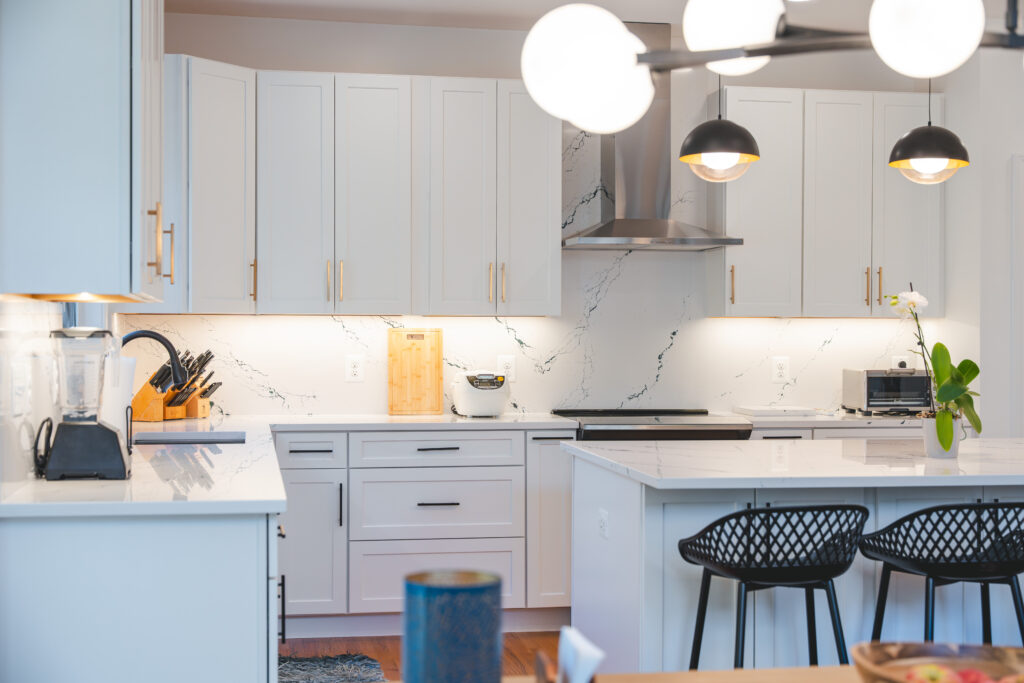
Task lighting under cabinets brightens counters, while recessed ceiling lights provide even coverage. Pendant lights above islands add style and define the space.
- Use dimmable fixtures to adjust brightness for different activities.
- Select LED options for energy efficiency and long life.
- Position lighting to eliminate shadows over key work areas.
Good lighting design also supports safety by improving visibility around hot surfaces and sharp tools.
Material Choices That Impact Maintenance and Longevity
Material selection influences durability, cleaning, and comfort. Countertops, flooring, and cabinet finishes all play a role in how the kitchen performs over time.
Quartz countertops remain popular for their low maintenance and resistance to stains. Hardwood or luxury vinyl flooring adds warmth while standing up to daily wear.
- Choose materials that match your cleaning preferences and lifestyle.
- Opt for high-quality hardware and hinges for long-lasting performance.
- Use satin or matte finishes to hide fingerprints and smudges.
According to experts at the National Kitchen and Bath Association, investing in durable materials typically increases long-term satisfaction and resale value.
Appliance Selections That Improve Efficiency
Appliance choice directly affects daily comfort and energy use. Newer models offer smart features, better performance, and streamlined design integration.
When choosing appliances, consider capacity, noise levels, and placement. For example, a quiet dishwasher makes open-concept kitchens more enjoyable, while counter-depth refrigerators create a cleaner look.
- Match appliance finishes for a cohesive appearance.
- Select energy-efficient models to reduce utility costs.
- Plan electrical and plumbing connections early in design to avoid rework.
Appliance decisions should be made early, as their dimensions influence cabinetry and layout planning.
Ergonomic Considerations for Comfort and Accessibility
A kitchen that supports physical comfort makes daily use easier for everyone. Ergonomic design minimizes bending, stretching, and awkward movements.
Counter heights can be adjusted for user comfort, and pull-out shelves reduce the need to reach deep into cabinets. Lever-handled faucets and soft-close drawers add convenience and safety.
- Ensure pathways are at least 36 inches wide for easy movement.
- Install lighting controls and outlets at accessible heights.
- Consider future needs, including universal design features for aging in place.
Small ergonomic adjustments often have the biggest impact on long-term usability and enjoyment.
Color and Finish Decisions That Affect Daily Experience
Color influences how a kitchen feels and functions. Light tones make small spaces feel larger and brighter, while darker finishes add warmth and sophistication.
Durable finishes on cabinets and counters help maintain beauty with minimal upkeep. Satin and semi-gloss paints resist moisture and are easier to clean than flat finishes.
- Use contrast between counters and cabinetry to define spaces.
- Incorporate natural textures for balance and visual interest.
- Select timeless colors to ensure the design ages gracefully.
Color and finish decisions should reflect personal style while supporting practical maintenance needs.
Planning for Future Needs and Flexibility
Designing for long-term use protects your investment. Flexible layouts and adaptable storage allow the kitchen to evolve as family needs change.
Consider wiring for future smart appliances or adding space for new technologies. If resale value matters, balance personal touches with features that appeal to a wide range of buyers.
Professional designers can help identify upgrades that deliver the most long-term value and comfort.
FAQ: Kitchen Remodeling Decisions That Matter Most
What kitchen layout works best for daily cooking?
The best layout depends on your space and habits. Most homeowners prefer U-shaped or L-shaped designs with an island because they create efficient work zones and comfortable traffic flow.
How can I improve storage without expanding my kitchen?
Use pull-out drawers, adjustable shelves, and vertical dividers. Even small updates like adding risers or corner pull-outs can double usable space without changing the footprint.
What lighting types should every kitchen include?
Every kitchen needs ambient lighting for general brightness, task lighting for work areas, and accent lighting for visual appeal. Combining all three ensures both function and style.
Are quartz countertops worth the investment?
Yes, quartz offers excellent durability, low maintenance, and consistent appearance. It resists stains and scratches better than many natural stone options, making it ideal for busy kitchens.
When should I hire a professional for my remodel?
Hire a professional when planning structural changes, electrical or plumbing updates, or full design overhauls. Experienced contractors streamline the process and help avoid costly mistakes.
For expert design guidance and reliable craftsmanship, contact us to discuss your next kitchen remodel or book an appointment to start planning your dream kitchen today.