

A well-planned kitchen remodel can completely change how a home looks and functions. From cramped layouts to open, inviting spaces, transformations often reveal the true potential of a property. This guide explores practical steps, real examples, and expert design insights that make kitchen remodeling successful.
When homeowners begin a kitchen remodeling project, they often seek a balance between style and practicality. The best transformations start with a clear vision, a defined budget, and professional guidance to turn ideas into reality.
What Defines a Successful Kitchen Remodel Transformation
A successful remodel blends aesthetics with improved functionality. It modernizes outdated finishes, enhances workspace efficiency, and creates a cohesive design that aligns with the rest of the home.
- Improved traffic flow and accessibility
- Updated cabinetry and hardware
- Durable, stylish countertops
- Energy-efficient lighting and appliances
- Coordinated color and material palettes
Each of these elements contributes to a kitchen that not only looks better but works better every day.
Real Before and After Examples
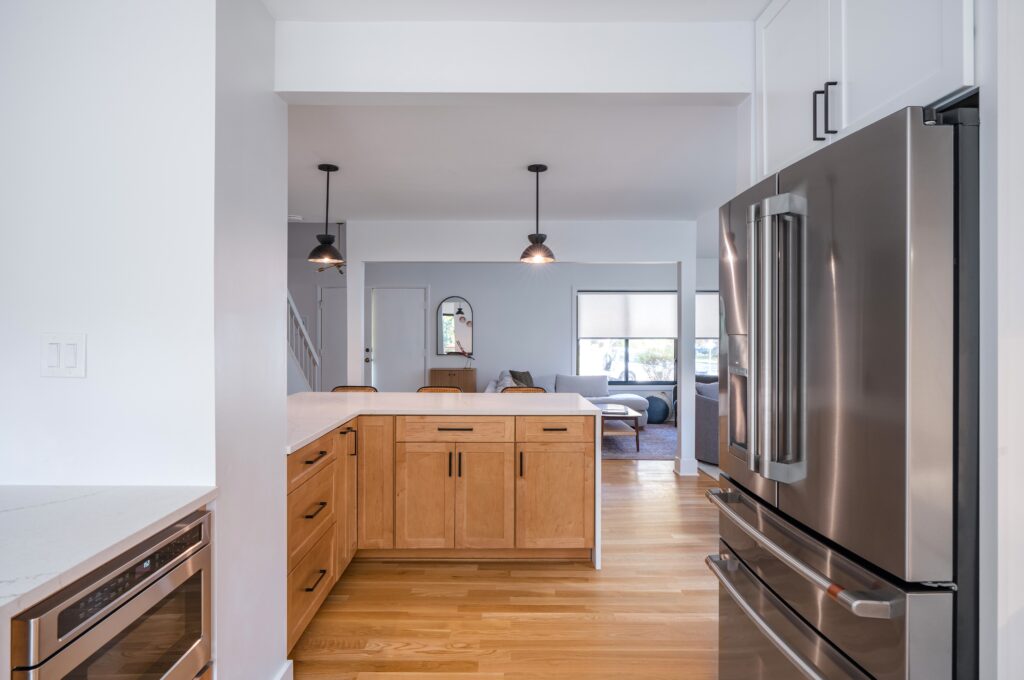
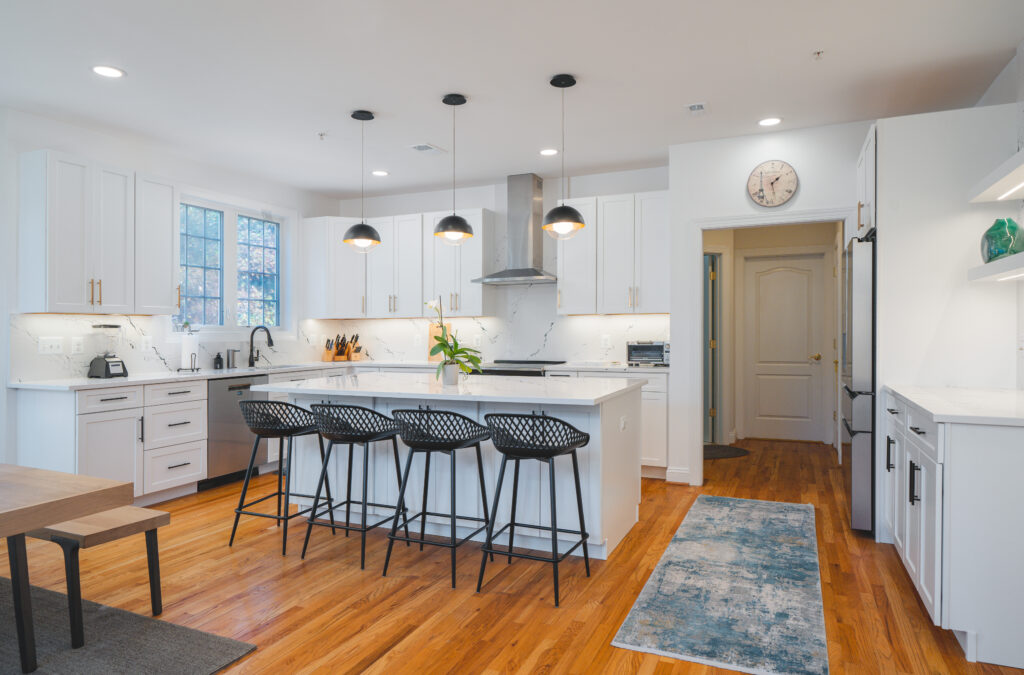
Many older kitchens have limited counter space and poor lighting. After remodeling, these kitchens often feature open layouts with islands, pendant lights, and modern finishes. For instance, a 1980s galley kitchen can become a bright, functional centerpiece of the home with white shaker cabinets and quartz countertops.
In another example, small suburban kitchens have been transformed by removing walls between the kitchen and living area. This change increases natural light, improves traffic flow, and encourages family interaction. The results are functional designs that feel larger without expanding the home’s footprint.
Steps to Plan a Kitchen Remodel
Effective planning ensures that a remodel runs smoothly and stays on budget. Follow these essential steps before starting construction.
- Assess your current kitchen’s limitations
- Gather inspiration and design ideas
- Set a realistic budget and timeline
- Work with a qualified contractor or designer
- Select quality materials that fit your lifestyle
Each step helps avoid costly mistakes and ensures that design decisions align with long-term goals.
Design Trends That Inspire Modern Transformations
Contemporary kitchen design trends emphasize clean lines, natural materials, and sustainable choices. Matte finishes, mixed metal accents, and warm wood tones dominate current remodels. Many homeowners also incorporate smart appliances and concealed storage for a clutter-free appearance.
Open shelving paired with statement backsplashes adds character and visual interest. Neutral color schemes, such as off-white and soft taupe, create timeless appeal and pair well with almost any decor style.
Maximizing Space in Small Kitchen Remodels
Not every home allows for a full expansion, but even compact kitchens can deliver impressive results. Strategic design choices make all the difference.
- Use vertical storage with tall cabinetry
- Install multi-functional islands
- Choose light-reflective surfaces
- Integrate built-in appliances
- Keep sightlines open with glass cabinet doors
These features help smaller kitchens feel larger and more efficient without major structural changes.
Budgeting for Realistic Results
Every remodel requires financial planning. A transparent budget accounts for materials, labor, permits, and contingencies. According to the National Kitchen & Bath Association, midrange kitchen remodels deliver one of the highest returns on investment among home improvements.
To maintain control, homeowners should allocate funds for unexpected expenses and prioritize upgrades that improve daily use, such as quality cabinetry and durable countertops.
Working With a Professional Remodeling Team
Experienced remodeling professionals bring technical knowledge, design expertise, and project management skills that streamline the process. They help homeowners choose materials that suit both budget and lifestyle while ensuring that installations meet safety and building standards.
When considering a remodel, it’s helpful to Contact us for a design consultation. Working with a professional team ensures that every detail, from plumbing to lighting, aligns with your vision.
Transformations That Increase Home Value
A remodeled kitchen often becomes a key selling point for potential buyers. Updated layouts, quality materials, and energy-efficient features can significantly increase property value. Homes with modern kitchens tend to sell faster and at higher prices than those with outdated designs.
Adding features such as soft-close drawers, under-cabinet lighting, and coordinated fixtures enhances both function and visual appeal. These small details often make the biggest difference in the final impression.
Maintenance and Long-Term Care After Remodeling
Proper maintenance helps preserve the beauty and performance of a new kitchen. Regular cleaning, sealing stone surfaces, and checking for wear on hardware can extend the life of materials. Homeowners should also maintain appliance warranties and schedule annual inspections of plumbing and electrical systems.
Consistent upkeep protects the investment and keeps the space looking fresh for years to come.
Frequently Asked Questions About Kitchen Remodel Transformations
How long does a typical kitchen remodel take?
Most kitchen remodeling projects last between six and twelve weeks, depending on the scope of work and materials selected. Custom designs or structural changes can extend timelines.
What is the average cost of a full kitchen remodel?
Costs vary by region and material quality, but midrange remodels usually range from $30,000 to $80,000. High-end projects with custom cabinetry and premium appliances can exceed that range.
Can I keep my existing layout during a remodel?
Yes, many homeowners retain their current layout to control costs. However, updating cabinetry, lighting, and finishes can still deliver a dramatic transformation without moving walls or utilities.
Are eco-friendly materials worth the investment?
Eco-friendly materials often offer better durability and long-term savings. Using sustainable wood, energy-efficient lighting, and water-saving fixtures also reduces environmental impact.
When should I contact a remodeling professional?
Reach out to a remodeling expert as soon as you define your goals and budget. Early collaboration helps develop accurate estimates, realistic timelines, and cohesive design plans that prevent costly changes later.