

Creating a comfortable and stylish bathroom does not always require expanding walls or adding square footage. Smart design choices can transform even a compact space into a relaxing retreat. Whether you are planning a full renovation or updating finishes, these strategies can help maximize comfort and function.
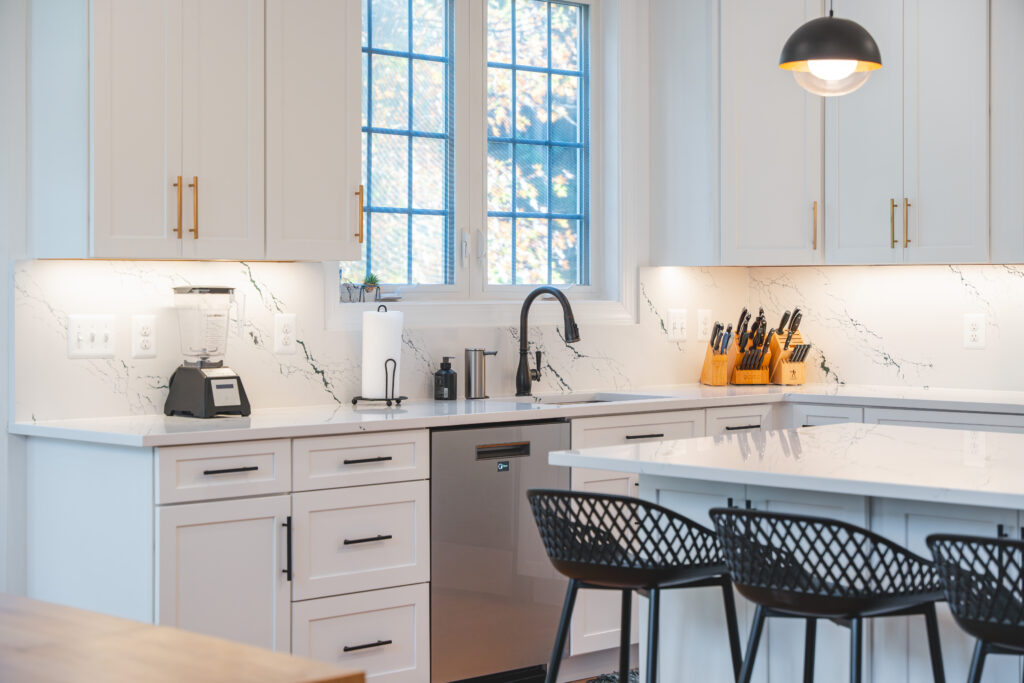
Homeowners who have completed a fairfax kitchen remodel often discover similar principles apply to bathroom design. Efficient layout, quality materials, and thoughtful lighting can make a small area feel spacious and inviting.
Optimize the Layout for Flow and Function
In a small bathroom, every inch counts. Start by reviewing the current layout and how you move through the space. Relocating fixtures or adjusting clearances can improve usability without changing the footprint.
For example, replacing a traditional swing door with a pocket or barn door frees up valuable floor area. Corner sinks or vanities can open traffic paths, while wall-mounted toilets and vanities expose more floor surface, creating a sense of openness.
Use Light and Color to Expand the Space
Light plays a major role in how spacious a bathroom feels. Natural light is ideal, but even artificial lighting can mimic the effect when layered correctly. Combine overhead lights with sconces or backlit mirrors to reduce shadows and provide even illumination.
Color also influences perception. Light neutrals, soft grays, and warm whites reflect light and make walls recede visually. Glossy tiles and reflective finishes enhance the effect by bouncing light around the room.
Choose Space-Saving Fixtures and Fittings
Compact fixtures can dramatically improve comfort in small bathrooms. Look for shallow-depth vanities, narrow bathtubs, or corner showers designed specifically for limited spaces. Wall-mounted faucets free counter space and simplify cleaning.
When selecting fixtures, maintain balance between comfort and proportion. Oversized tubs or double sinks may look impressive but can overwhelm a small floor plan. Prioritize ease of use and daily practicality.
Maximize Storage Without Clutter
Effective storage keeps a bathroom organized and visually calm. Floating shelves, recessed medicine cabinets, and built-in niches use vertical space and keep counters clear. Consider adding hidden storage under the sink or behind mirrors.
Use matching containers or baskets to maintain a cohesive look. A clutter-free environment supports relaxation and makes cleaning easier. Even a few well-planned storage upgrades can improve comfort significantly.
Incorporate Warmth Through Materials and Textures
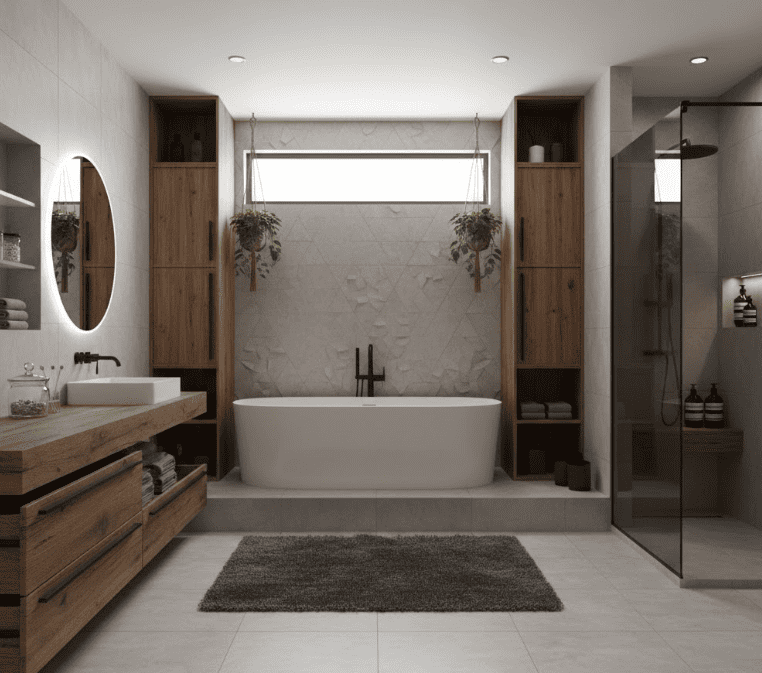
Small bathrooms often feel cold because of hard surfaces. Introducing texture and warmth can change that atmosphere instantly. Wood-look tiles, woven baskets, and soft textiles create a balanced, inviting feel.
Heated towel racks and radiant floor heating add physical warmth and a touch of luxury. These features are energy-efficient when properly installed and make a noticeable difference during colder months.
Bring in Spa-Like Details
Small touches can create a spa-like experience at home. Rain showerheads, dimmable lighting, and aromatherapy diffusers elevate comfort without requiring structural changes. Choose accessories that align with your lifestyle and design preferences.
Upgrading to a frameless glass shower enclosure also enhances spaciousness. It allows continuous sightlines and reflects light, making the bathroom appear more open and airy.
Coordinate with Your Whole-Home Style
Consistency across your home contributes to a cohesive design experience. If your home features modern finishes from a recent kitchen remodeling project, carry similar materials or color palettes into the bathroom.
For instance, brushed nickel hardware or quartz countertops can tie rooms together visually. Using shared elements reinforces continuity and increases perceived value throughout the home.
Plan for Accessibility and Long-Term Comfort
Designing with accessibility in mind adds comfort and safety for all users. Consider installing grab bars that blend with the décor, a curbless shower entry, or lever-style handles for easy operation. These adjustments make the bathroom more functional without altering its size.
Forward-thinking design ensures your bathroom remains comfortable for years to come, accommodating changing needs gracefully.
Professional Guidance for Small Bathroom Design
Working with an experienced designer or contractor helps you make the most of limited space. Professionals understand how to blend aesthetics with technical requirements like plumbing and ventilation. They can also recommend durable materials and efficient layouts tailored to your home.
Before starting the project, gather inspiration images, set a budget, and outline must-have features. Clear communication with your remodeler ensures a smooth process and results that meet expectations.
Learn More About Enhancing Small Spaces
Design improvements that enhance comfort without increasing size depend on thoughtful planning and quality craftsmanship. Whether you are updating finishes or reconfiguring fixtures, small changes can deliver big rewards. Contact us to explore design options that fit your style and budget. Learn more about maximizing comfort through smart remodeling strategies.
FAQ: Bathroom Comfort and Design Choices
How can I make a small bathroom feel larger?
Use light colors, layered lighting, and reflective materials. Keep lines clean and minimize clutter. Glass shower doors and wall-mounted fixtures also create the illusion of more space.
What are the best materials for a small bathroom remodel?
Moisture-resistant materials like porcelain tile, quartz, and sealed natural stone work well. They are durable, easy to clean, and maintain a polished look over time.
Can lighting really affect bathroom comfort?
Yes. Proper lighting eliminates shadows and highlights design features. Combining ambient, task, and accent lighting improves both function and atmosphere.
Are heated floors worth it in a small bathroom?
Heated floors add comfort and energy efficiency. They provide even warmth, reduce humidity, and make the bathroom more enjoyable during cold seasons.
Where can I find more information about bathroom and kitchen remodeling?
Visit trusted home improvement resources such as the National Kitchen and Bath Association for design guidelines and renovation tips. You can also get in touch with local professionals to discuss your project goals and options.