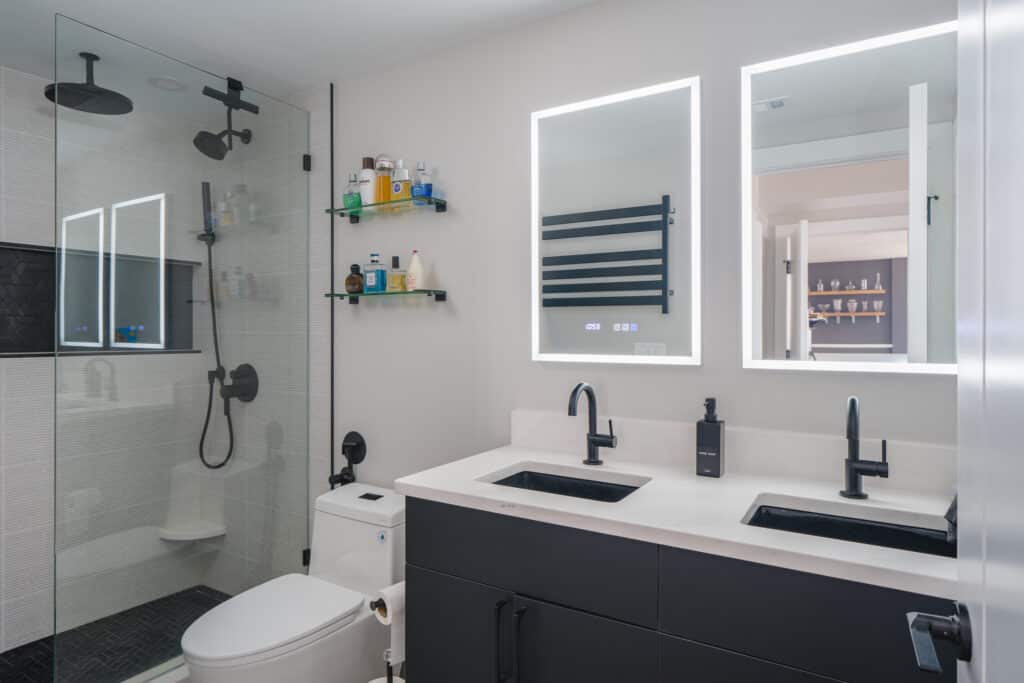


Planning a kitchen remodel is exciting, but it can quickly become expensive without a clear budget strategy. Whether you are updating countertops or redesigning your entire layout, smart financial planning keeps your project on track and stress-free.
Before starting your kitchen remodeling project, define your priorities and understand where your money will make the most impact. A well-structured budget allows you to balance style, function, and cost effectively.
Set a Realistic Budget from the Start
Begin by determining how much you can comfortably spend. Industry professionals often suggest allocating 10 to 15 percent of your home’s value to a kitchen renovation. This range helps maintain property value while staying within financial limits.
Get quotes from at least three licensed contractors. Comparing estimates helps identify fair pricing and prevents surprises later in the process.
Break Down Your Costs by Category
A detailed budget should include every major component of your remodel. This approach clarifies where adjustments can be made without sacrificing quality.
- Cabinetry and hardware
- Countertops and backsplashes
- Appliances and plumbing fixtures
- Flooring and lighting
- Labor and permits
Tracking expenses by category allows you to reallocate funds if one area exceeds expectations. For instance, saving on flooring might free up money for higher-quality countertops.

Prioritize Function Over Aesthetics
Every beautiful kitchen must first be functional. Focus on efficient layouts, durable materials, and ample storage before investing in decorative upgrades. Spending wisely on foundational elements ensures long-term satisfaction and fewer repairs.
For example, investing in quality cabinets with soft-close hinges provides more long-term value than trendy but fragile finishes.
Choose Materials That Balance Quality and Cost
Material selection has a major influence on total cost. Look for mid-range options that mimic high-end looks without the premium price tag. For instance, quartz offers durability similar to granite but often costs less to maintain.
Ask your contractor about discontinued or overstock materials. These can reduce costs significantly while maintaining quality and style consistency.
Plan for Hidden and Unexpected Costs
Even the best-planned projects encounter surprises. Set aside 10 to 15 percent of your total budget as a contingency fund. This cushion helps cover issues such as plumbing repairs, electrical updates, or code compliance changes.
Without a financial buffer, unexpected expenses can delay progress or force compromises on finishes and appliances.
Time Your Remodel Strategically
Seasonal timing can affect both pricing and availability. Contractors often offer better rates during slower months, while material suppliers may run promotions on appliances and fixtures at year-end.
Scheduling your remodel during these periods helps stretch your budget further while maintaining high-quality results.
Work with Trusted Professionals
Partnering with experienced kitchen designers and licensed contractors ensures your investment is protected. Professionals can suggest cost-saving alternatives, handle permits, and prevent costly mistakes.
If you are ready to begin planning, Contact us for expert guidance and personalized project estimates. Our team helps homeowners create functional, stylish kitchens within their desired budget.
Monitor Progress and Adjust as Needed
Track spending throughout construction to ensure your project stays aligned with the budget. Use a spreadsheet or project management app to document each payment and upcoming expense.
Regular check-ins with your contractor allow you to catch potential overruns early, avoiding last-minute financial strain.
Make Smart Appliance and Fixture Choices
Appliances and fixtures can consume a large share of your budget. Choose energy-efficient models that lower long-term utility costs. Look for rebates or tax incentives from manufacturers and local energy programs to reduce upfront expenses.
According to the U.S. Department of Energy, energy-efficient appliances can save hundreds of dollars annually on operating costs while reducing environmental impact.
Reuse and Repurpose When Possible
Consider refinishing existing cabinets or keeping your current layout to save on plumbing and electrical changes. Small updates like new hardware, paint, or lighting can refresh your kitchen without a full demolition.
Repurposing materials not only cuts costs but also supports sustainable remodeling practices.
Budget Tracking Tools and Resources
Several online budget calculators and project management tools can simplify planning. These resources help visualize cost distribution, set spending limits, and track progress in real time.
For guidance on cost estimation and energy-efficient upgrades, review trusted resources from the U.S. Department of Housing and Urban Development or professional remodeling associations.
FAQ: Kitchen Remodeling Budget Planning
How do I know if my kitchen remodel budget is realistic?
Compare your budget to the average cost range for similar homes in your area. Consulting with multiple contractors provides a reality check and helps align expectations.
What are the most expensive parts of a kitchen remodel?
Cabinetry, countertops, and labor typically account for the largest expenses. Planning these costs early prevents overspending on smaller details later.
How can I reduce costs without sacrificing quality?
Use mid-range materials, reuse existing fixtures, and handle minor tasks such as painting yourself. These strategies maintain style and durability while lowering expenses.
Should I remodel in stages to manage expenses?
Phased remodeling can help distribute costs over time. Start with structural or functional improvements before focusing on cosmetic upgrades.
Why is it important to hire licensed contractors?
Licensed contractors follow building codes, carry insurance, and ensure safety. Their expertise minimizes errors that could lead to costly repairs later.