

Planning a kitchen remodel can feel overwhelming, especially when trying to balance design goals with financial limits. The key to success is a structured plan that keeps every dollar purposeful and every choice aligned with your vision.
A well-organized kitchen remodeling plan helps you control costs, avoid delays, and make decisions with confidence. Whether you are updating a small condo kitchen or transforming a large family space, the process follows the same principles of budget management and smart planning.
Define Your Kitchen Remodel Goals
Begin by identifying what you want from your new kitchen. Are you focused on better storage, improved lighting, or a complete layout change? Knowing your priorities helps you allocate the budget where it matters most.
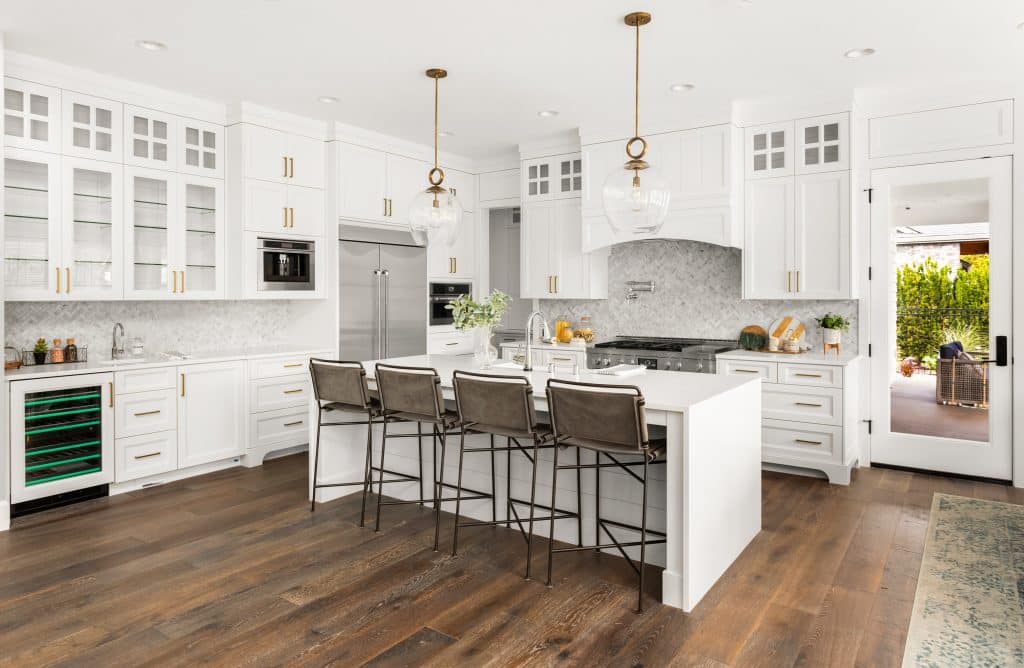
For example, homeowners often spend extra on cabinetry and countertops because they define the kitchen’s look and functionality. Appliances, flooring, and lighting can then be tailored around those focal points.
Create a Realistic Remodeling Budget
Start by researching local remodeling costs per square foot. Check regional averages from trusted sources like the National Kitchen and Bath Association. Then set a total budget that includes a 10 to 15 percent contingency fund for unexpected expenses such as plumbing updates or structural fixes.
Break down the budget into clear categories. This approach ensures transparency and helps you track spending throughout the project.
- Cabinetry and hardware
- Countertops
- Appliances
- Flooring
- Lighting and electrical
- Labor and permits
Assess What Can Stay and What Must Go
Not everything needs replacing. Keeping existing plumbing lines, flooring, or appliance locations can significantly lower costs. Repainting cabinets or changing hardware may refresh the space without full replacement.
Professional designers often advise balancing new and existing features to stretch the budget while maintaining quality and style.
Plan the Layout Early
Layout decisions affect plumbing, electrical, and cabinetry costs. The classic work triangle, positioning the sink, stove, and refrigerator efficiently, remains a reliable design principle. Measure carefully and plan circulation space for comfortable movement.
If you are opening walls or relocating major elements, get quotes from licensed contractors before finalizing the design. This step prevents costly surprises later.
Select Materials Wisely
Material selection often determines whether a remodel stays on budget. Compare price ranges for popular options like quartz, granite, laminate, or butcher block countertops. Each offers different durability and maintenance needs.
Ask suppliers about discontinued lines or remnant slabs. These can deliver high-end looks at lower prices without compromising on quality.
Hire Experienced Professionals
Reliable contractors and designers help you avoid mistakes that can inflate costs. Always check references, portfolios, and licenses. Request itemized estimates to understand what is included and compare bids fairly.
Working with professionals who specialize in kitchen design ensures compliance with local codes and proper sequencing of trades. This coordination saves both time and money.
Schedule the Project Strategically
Timing matters for both pricing and convenience. Off-season remodeling, typically in late winter, can lead to more competitive bids. Plan ahead to order materials early, as backorders can delay progress and increase costs.
If you plan to live in the home during construction, coordinate temporary kitchen solutions to reduce stress and maintain daily routines.
Track Expenses and Progress
Use a spreadsheet or project management app to monitor spending, delivery dates, and contractor payments. Regular check-ins with your project manager help keep the remodel aligned with the schedule and financial plan.
Document every change order and approval in writing. This practice prevents misunderstandings and protects your budget.
Incorporate Energy Efficiency
Energy-efficient appliances and LED lighting can reduce long-term costs. Look for ENERGY STAR ratings and rebates offered by local utilities. Efficient choices may cost more upfront but yield savings over time through reduced energy bills.
Consider water-saving faucets and sustainable materials like bamboo flooring or recycled glass countertops to enhance both performance and eco-friendliness.
When to Get Professional Help
If you are unsure how to balance design and budget, consult a certified kitchen designer. They can provide layout guidance and material suggestions tailored to your goals. For expert advice or to discuss your project, Contact us today to schedule a consultation.
Common Budget Pitfalls to Avoid
Even well-planned projects can face challenges. The most frequent budget issues arise from design changes after construction begins, underestimating labor costs, or choosing premium finishes mid-project.
Stick to your original plan as much as possible. Confirm every selection before the work starts to maintain both schedule and budget accuracy.
FAQ: Kitchen Remodel Budget Planning
How much should I budget for a kitchen remodel?
Most homeowners spend between 10 and 20 percent of their home’s value on a kitchen remodel. A moderate renovation typically costs less than a full structural redesign, depending on materials and scope.
What is the most expensive part of a kitchen remodel?
Cabinetry often represents the largest expense, followed by countertops and labor. Custom cabinets cost more but offer better durability and storage solutions than stock options.
Can I remodel a kitchen in stages to save money?
Yes, many homeowners complete projects in phases. You can start with essential updates like flooring or lighting, then add appliances or decorative features later without disrupting the overall design.
How do I avoid cost overruns during remodeling?
Set a realistic budget with a contingency fund, make all selections before work begins, and maintain open communication with your contractor. Regular progress reviews ensure spending stays on track.
When should I hire a professional designer?
Hire a designer early if you are changing the layout or need help coordinating finishes. Their planning expertise ensures the remodel meets both aesthetic and budget expectations while avoiding hidden costs.